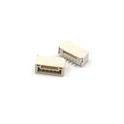

Pin headers and sockets are essential electronic components that facilitate the connection of electrical circuits on printed circuit boards (PCBs). They come in various types, including straight, right-angle, and SMD (surface-mount device) types, and are available in various pitches, such as 2.54mm, 2.0mm, and 1.27mm. Choosing the right pin header or socket for an application depends on various factors, including PCB layout, space limitations, current and voltage requirements, and connector orientation.
Pin headers are male connectors that consist of a row of pins that can be inserted into a female socket. They are used to connect wires and other PCBs to a PCB. Pin headers have a pitch of 2.54mm, which is a standard pitch for most PCBs. They come in various lengths, ranging from 3 pins to 40 pins or more, depending on the application.
Sockets, on the other hand, are female connectors that are designed to mate with pin headers. They are available in through-hole and surface-mount types and come in various pitches. Sockets allow the connection of components and wires to a PCB, and they can be easily removed and replaced when needed. Through-hole sockets are mounted on the PCB using leads that are inserted through holes on the PCB, while surface-mount sockets are directly mounted onto the PCB using soldering or adhesive.
Pin headers and sockets are available in different materials, such as plastic, metal, and rubber. Choosing the right material depends on the application's requirements, including the operating temperature range, environment, and durability. For instance, connectors used in harsh environments such as automotive and industrial applications require materials that can withstand extreme temperatures, chemicals, and vibration.
In conclusion, pin headers and sockets are crucial components of electronic systems that facilitate the connection of electrical circuits on PCBs. Choosing the right pin header or socket for an application requires careful consideration of various factors, including PCB layout, space limitations, current and voltage requirements, and connector orientation. Selecting high-quality connectors that meet the requirements of the application is essential to ensure proper electrical connection and signal transmission.