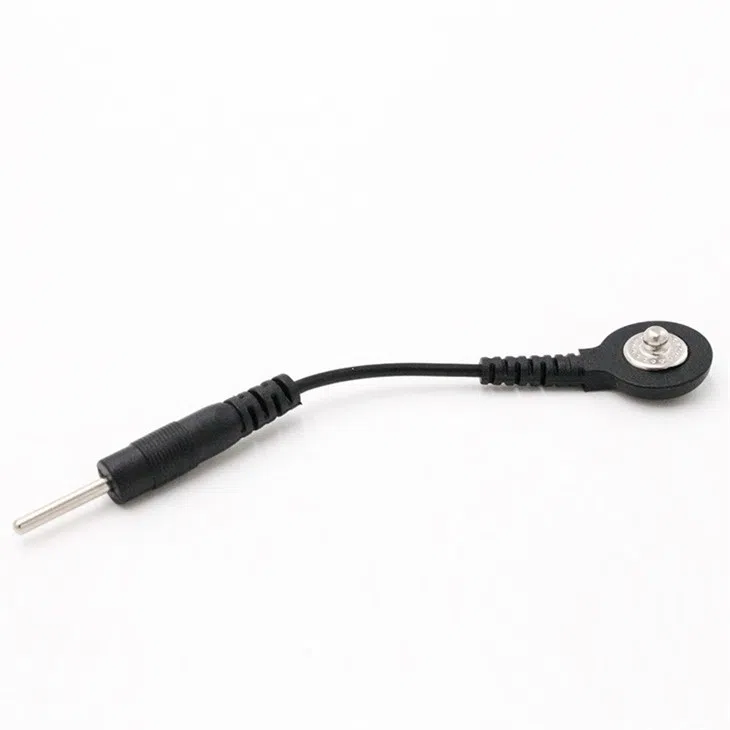

Line In and Line Out typically employ medical audio wires. They have high impedance, low current and power handling, and are susceptible to interference. They are typically protected wires as a result, however the wires are typically tiny.
Electroacoustic signals or data are transmitted using audio wire, also known as audio cable. Electrical and optical signals can be divided into two general groups. Do you understand the purpose of an audio cable then?
The major purpose of it is to transmit sound. Audio cable and connection make up its construction. The connections used for medical audio cables are typically dual-core shielded RCA, XLR, and TRS JACKS, sometimes known as lotus heads, XLRs, and XLR heads, respectively.
When an electrical signal is transported from one device to another, the transmission process needs to be preserved in a noise-free state to prevent signal loss or damage during transmission, reception, or output.
Since channel noise and signal attenuation issues are more likely to occur with longer wires, audio cables should be as short as possible when choosing them in order to meet usage requirements.