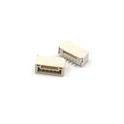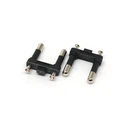

In the context of globalization, the cross-border application of electrical equipment is frequent, and the adaptability of power connectors is extremely critical. For the Brazilian market, the power connector with a 2/3 pin plug has significant advantages and is an ideal choice.
Brazil adopts a voltage standard of 127V/220V, with mostly N-type sockets and good compatibility with 2/3 pin plugs. This adaptability can reduce the problem of external electrical equipment being connected to the power grid, such as hair dryers, irons, etc., which can be directly used with 2/3 pin plugs, making it convenient for consumers.
From a safety perspective, the design of its grounding pin is an important guarantee. The climate in Brazil is humid, and electrical equipment is prone to leakage. The grounding pin of the 2/3 pin plug can guide the current to the ground in case of leakage, ensuring the safety of users. Grounding design can effectively prevent the risk of electrical leakage in high-power equipment such as air conditioners.
The Brazilian electrical regulations have provisions for power connectors, and 2/3 pin plugs meet the requirements, which enables related electrical equipment to pass certification and enter the market smoothly. Many international electronic brands use this plug when selling mobile phone chargers, laptop power adapters, and other products in Brazil, which is both legal and trusted by consumers.
In terms of cost-effectiveness, Brazil has a high demand for 2/3 pin plugs, a mature industrial chain, and low manufacturing costs, which is conducive to manufacturers reducing procurement costs. And it is convenient to repair and replace locally, with easy access to accessories, which can reduce equipment downtime and maintenance costs. For example, small electrical processing plants in Brazil can reduce production and after-sales costs by using 2/3 pin plugs.
In terms of universality, N-type sockets are widely distributed in Brazilian households, commercial and industrial places, and electrical equipment using 2/3 pin plugs is not limited by the location of use. The lighting fixtures and elevators in shopping malls and hotels, as well as industrial control equipment and testing instruments, can all be smoothly connected to the power supply, enhancing the versatility and flexibility of the equipment.
From the perspective of market acceptance, Brazilian consumers have become accustomed to using 2/3 pin plugs for electrical equipment. For a long time, most local and imported electrical products sold in the Brazilian market have used this type of plug. When consumers purchase new electrical equipment, if the plug type does not match their daily use, it may cause inconvenience or even safety concerns. For example, when consumers purchase a new TV, if the plug is not of the 2/3 pin type, they may need to purchase an additional conversion plug, which not only increases costs but may also affect the normal use of the device due to quality issues with the conversion plug. Therefore, electrical equipment using 2/3 pin plugs is more easily accepted by Brazilian consumers, which is beneficial for the promotion and sales of the product in the market.
In summary, the selection of 2/3 pin plugs for Brazilian power connectors is the result of comprehensive consideration of various factors such as Brazil's power supply infrastructure, safety, electrical regulations, cost-effectiveness, universality, and market acceptance. For electrical equipment manufacturers, importers, as well as individuals and businesses using electrical equipment in Brazil, choosing a 2/3 pin plug can ensure smooth use of the equipment in Brazil, comply with regulatory requirements, reduce costs, and improve market competitiveness. It is a wise choice in the field of power connections in Brazil.
Dec 09, 2024
Brazilian Power Connector: Why Choose 2/3 Pin Plug
Send Inquiry
Product Categories
Latest Products