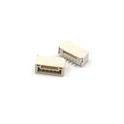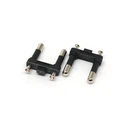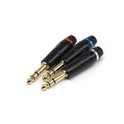

AC (alternating current) connectors are electrical connection devices used to transmit AC electricity. They are widely used in homes, offices, and industrial environments. Their design purpose is to safely connect electrical devices to a power outlet or to connect two different electrical systems. Here are some basic introductions to AC connectors:
The components of an AC connector
A typical AC connector usually consists of the following parts:
Plug - the end of the connector with metal contacts used to insert into a socket.
Socket/Receptacle - installed on the wall or power strip to receive the plug.
Wire - connects the plug to the device and transmits current.
Ground wire - used to protect users from electric shock by connecting the device's casing to the ground.
Common Types
1. Standard household plug/socket
North America: NEMA series plugs and sockets, commonly known as NEMA 5-15 (three-pronged, including grounding).
Europe: such as Schuko (Type C, F), CEE 7/4 (Type E), etc.
Asia and other regions: such as BS 1363 (British standard), AS/NZS 3112 (Australian and New Zealand standards), etc.
2. Industrial connectors
IEC 60320 C series: used to connect household appliances and power cords, such as C5/C6 (used for small appliances), C13/C14 (used for larger power equipment such as computers).
IEC 60309: also known as "industrial plugs", suitable for industrial environments, with different colors and pin configurations to prevent misconnection.
Security Features
Grounding: Many AC connectors include grounding terminals to connect the appliance housing to the ground, preventing electric shock accidents.
Circuit Breaker: Some connectors have built-in circuit breakers that automatically cut off power when the current is too high, protecting the circuit.
Waterproof level: Connectors used outdoors or in damp environments usually have waterproof functions.
Purchasing and usage precautions
Matching standards: Ensure the selected connector complies with local electrical safety standards.
Current and voltage specifications: Choose a connector suitable for the equipment's power requirements to avoid overload.
Durability: Consider the material and manufacturing quality of the connector to ensure long-term use.
The selection and usage of AC connectors are essential, not only in terms of compatibility but also safety. Different countries and regions have different standards, so it is essential to select connectors that comply with local regulations when purchasing and installing them. If you are unsure, you can seek advice from us. We are happy to serve you.